About Ledger Login
The Ledger Login process is designed to provide users with a secure and simple method of accessing their Ledger ecosystem. Ledger devices, such as the Ledger Nano S Plus and Ledger Nano X, are widely recognized for offering one of the most reliable hardware-based security solutions for storing, sending, and managing cryptocurrencies. Because digital assets require a high level of protection, Ledger’s login environment emphasizes encryption, offline security elements, and user-friendly authentication methods.
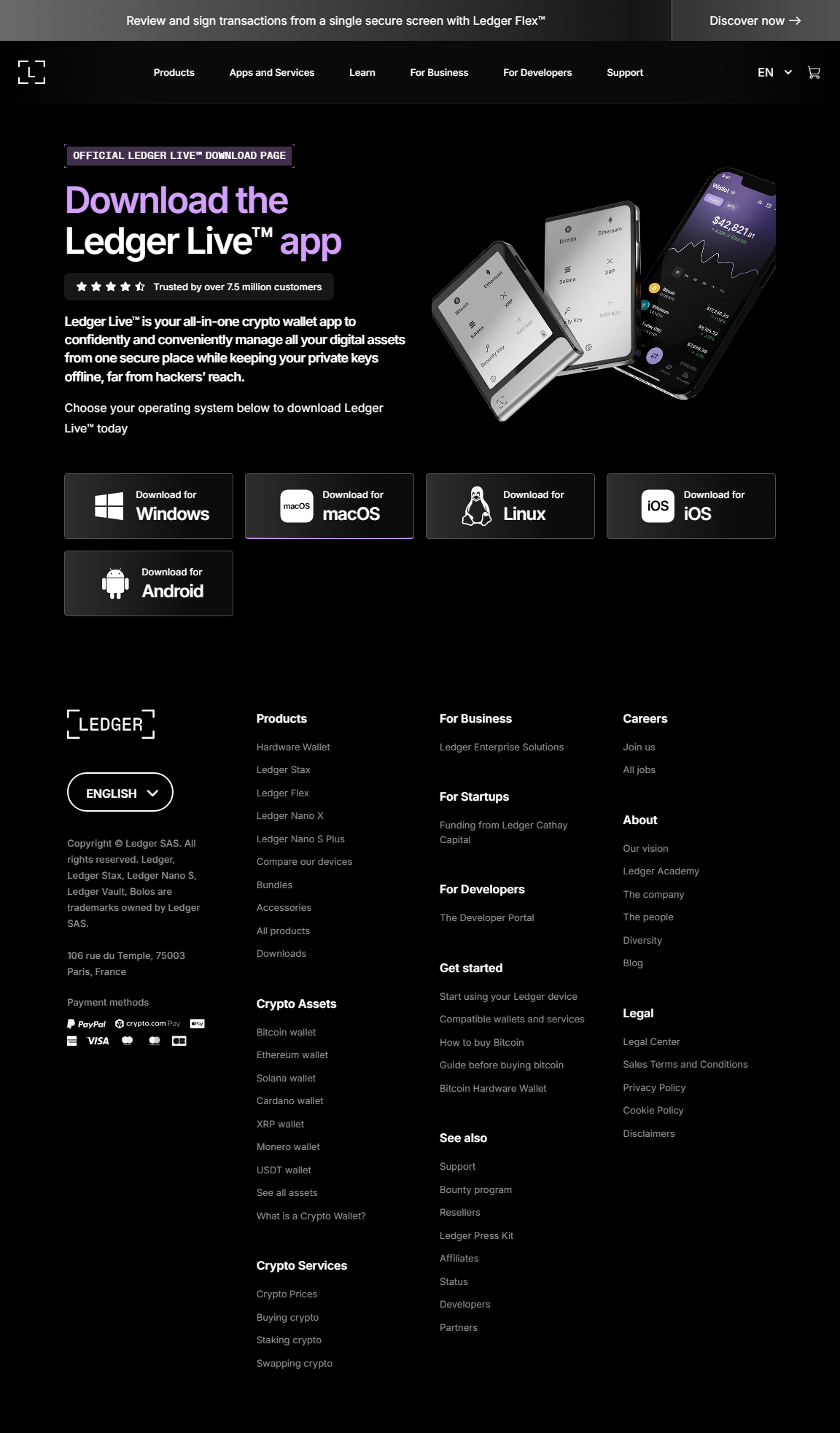
When users interact with the Ledger platform, they typically pair their hardware device with Ledger Live, the official application used to manage crypto portfolios. The login process doesn’t function like a traditional username‐and‐password model for accessing a cloud account. Instead, it revolves around the secure communication between Ledger Live and the hardware device. The physical presence of the device, combined with user confirmation on its built-in screen, ensures that crypto transactions cannot be executed without the owner’s explicit approval.
A key part of what makes Ledger Login highly secure is that private keys never leave the hardware device. Even when a user enters their PIN on the Ledger device, the authentication happens locally. This means that even if a computer or mobile phone is compromised, attackers cannot directly extract wallet keys or gain unauthorized access to funds. The login process also requires the user to verify actions on the physical device, which minimizes the risk of phishing or remote-execution attacks.
For users who want to access their Ledger accounts or portfolios through Ledger Live, the login typically involves connecting the device via USB or Bluetooth (depending on the model). After connecting, the user unlocks the device with their PIN and opens the appropriate app for the cryptocurrency they wish to manage. Ledger Live then synchronizes with the blockchain and updates the portfolio dashboard. This layered approach ensures that both hardware authentication and software verification work together to maintain maximum security.
Another key component of Ledger Login is recovery management. Instead of storing passwords, Ledger relies on a 24-word recovery phrase. This phrase is the only way to restore access to a wallet if the device is lost, damaged, or stolen. Because Ledger never stores this phrase on its servers, users must keep it protected in a secure offline environment. The login system is designed to remind users that Ledger support will never ask for this phrase, making it easier to identify potential scams.
Ledger Live also incorporates optional security features such as password locking, biometric authentication on mobile, and address verification. These layers enhance the login experience by giving users additional control over how their information and transactions are protected. The ability to visually confirm wallet addresses on the device screen prevents hackers from substituting malicious addresses during transfers.
Overall, the Ledger Login experience focuses on simplicity while maintaining strong protection against digital threats. Whether a user is managing Bitcoin, Ethereum, NFTs, or a diverse portfolio of assets, the login process ensures that all actions remain under the user’s physical control. This type of security model is one of the reasons Ledger remains a trusted name in the cryptocurrency industry, particularly for individuals who prioritize long-term asset protection and offline security.